Tongkat Ali for Testosterone: Evidence & Dose
Most testosterone ingredients are marketing with a Latin name attached. Tongkat Ali is one of the few with real human trials — here is the honest Tongkat Ali testosterone evidence, at the dose that produced it, and what it will not do.
Does Tongkat Ali raise testosterone, and at what dose?
Tongkat Ali is the most-studied natural testosterone ingredient, and it has genuine human evidence: five published randomised trials and a 2022 meta-analysis reported significant testosterone increases in both healthy and lower-testosterone men. The amount that did it was a standardised extract at 200 to 400 mg per day, taken for four to twelve weeks.
- Studied dose: 200–400 mg daily of a standardised extract, often a 100:1 water extract.
- Timeline: a slow build over four to twelve weeks, not an overnight effect.
- Bonus mechanism: it may lower cortisol, which matters most for stressed, tired men.
If you have read enough supplement labels to be cynical, good — that instinct is usually right. The Tongkat Ali testosterone story is one of the rare exceptions where the human evidence is better than the marketing, not worse. Eurycoma longifolia, to give it its botanical name, is a Southeast Asian root that has accumulated something most ingredients in this aisle never manage: multiple randomised controlled trials in people, plus a recent meta-analysis pulling them together. That does not make it magic, and it does not make it a medicine. It makes it worth understanding properly, dose and all, which is exactly what this article sets out to do.
What Tongkat Ali is
Tongkat Ali is the root of Eurycoma longifolia, a shrub-like tree native to Malaysia, Indonesia and surrounding regions, where it has a long history of traditional use for energy, stamina and male vitality. Modern supplements use a concentrated extract of the root, most often described as a water extract at a ratio such as 100:1, sometimes standardised to a marker compound called eurycomanone. That standardisation detail is not a technicality you can skip: it is the difference between the material that was actually tested and a jar of ground root that happens to share the name. A product that says "Tongkat Ali 200 mg" without a ratio or a standardisation has told you almost nothing about strength.
What the Tongkat Ali testosterone evidence actually shows
Here is the part that separates this ingredient from the crowd. Rather than a single small study waved around by marketers, Tongkat Ali has a small but real body of randomised human research. Across roughly five published randomised controlled trials, and a 2022 meta-analysis that combined the data, standardised extract was associated with significant increases in testosterone, in both healthy men and men who started with lower levels. The effect showed up alongside reports of improved measures of wellbeing, and in some studies of stress and mood, which points to more than one thing going on at once.
Two honest caveats keep this in proportion. First, the studies are relatively small and their designs vary, so "significant" means statistically detectable, not necessarily life-changing for every man. Second, the men most likely to notice a change are those who were tired, stressed or lower to begin with — the same pattern we see across this whole category, and a point we make in our wider 2026 buyer's guide to testosterone boosters. Someone already well-rested and well within range should expect less. This is support for normal production, not a lever that overrides physiology.
Tongkat Ali is not the strongest thing in the aisle. It is the best-evidenced thing in the aisle — and in a category this thin, that is a much rarer quality.
The clinically relevant Tongkat Ali dose
Dose is where good intentions meet reality, and where most products quietly fail. The amount used in the human trials clusters tightly: 200 to 400 mg per day of a standardised extract, taken consistently for four to twelve weeks. A 100:1 water extract is the form that appears most often. Three practical rules follow from that.
- Match the studied range. A formula delivering 200–400 mg of a standardised extract is inside the evidence. One delivering 25 mg, or an unstandardised powder, is borrowing the name without the dose.
- Standardisation beats raw weight. Milligrams only mean something once you know the ratio. "100:1, 200 mg" is a real specification; "200 mg root" is a shrug.
- More is not better. The evidence lives in the studied window, not above it. Piling on grams chases a benefit the research did not test and invites the mild side effects below.
This is also why a proprietary blend is a dealbreaker for this ingredient specifically. If Tongkat Ali sits inside a 500 mg blend with six other names, you cannot confirm it reaches even the bottom of the studied range. We break down why that format defeats you in our explainer on what a proprietary blend legally hides.

Want a formula dosed inside the studied range?
The trials ran on 200 to 400 mg of a standardised extract for four to twelve weeks. Check the current HorseFil label and pricing on the official store and see how its Tongkat Ali dose and standardisation line up before you commit to an eight-week run.
Check the HorseFil dose and storeThe cortisol angle: why stressed men may notice most
One of the more interesting threads in the research is that Tongkat Ali may lower cortisol, the primary stress hormone. In at least one study of moderately stressed adults, extract was associated with reduced cortisol alongside improved mood measures. This matters because chronically elevated cortisol and healthy testosterone tend to pull in opposite directions. If part of what is dragging on a man's energy and drive is unrelenting stress and poor recovery, an ingredient that nudges the stress side down could plausibly help the other side more than a pure "test booster" framing suggests. It also explains why the men who feel the least from it are often those who were already calm, rested and in range. The lifestyle groundwork still comes first — our overview of natural ways to support healthy testosterone covers the sleep, training and body-composition levers that no capsule replaces.
Safety and side effects
In the published human studies, standardised Tongkat Ali at 200 to 400 mg daily was generally well tolerated, with few serious adverse effects reported. That is reassuring but not a blank cheque. The most commonly mentioned issues are mild and worth planning around:
- Disrupted sleep or restlessness in some people, especially if taken late in the day. A morning dose is the simple fix.
- A slight increase in heart rate noted by some users, generally minor.
- Not for use in pregnancy, and anyone on medication or managing a health condition should talk to a clinician first, because botanicals can interact with prescription drugs.
And the boundary that applies to every ingredient we cover applies here too: Tongkat Ali is a dietary supplement, not a treatment. It does not diagnose, treat, cure or prevent any disease. Persistent fatigue, low libido or mood change deserve a blood test and a clinician, not a bottle bought in the hope of skipping that step.
Tongkat Ali vs Fadogia Agrestis
Because they trend together on social media, this comparison comes up constantly, so let us settle it on evidence. Tongkat Ali has multiple published human randomised trials and a 2022 meta-analysis. Fadogia Agrestis has an energetic online reputation built almost entirely on animal research, with human dosing and long-term safety largely unstudied and some toxicity signals raised in animal work. If your criterion is "chosen on human data," Tongkat Ali wins comfortably. Fadogia may or may not turn out to be useful, but right now it is a bet on a story, and this site does not rank ingredients on stories.
| Factor | Tongkat Ali | Fadogia Agrestis |
|---|---|---|
| Human trials | ~5 RCTs plus a 2022 meta-analysis | Largely absent; mainly animal studies |
| Studied dose | 200–400 mg standardised, 4–12 weeks | No established human dose |
| Safety data in humans | Generally well tolerated in trials | Sparse; animal toxicity concerns raised |
| Verdict | The evidence-first choice today | Speculative; a bet on hype |
Objections and myths worth clearing up
"If it really worked, it would be a drug." This misunderstands the category. Supplements support normal function; drugs treat disease. Tongkat Ali sits firmly in the first bucket. Its trial effects are real but modest, most relevant to men who were low or stressed, and nothing about that profile makes it a medicine or a shortcut around one.
"I tried it for a week and felt nothing." A week is not a trial. The research that reported hormonal change ran four to twelve weeks of daily use. Some men feel energy or mood shifts early, but the testosterone-related measures took time. Judge it at eight weeks of consistent dosing or do not judge it at all.
"All Tongkat Ali is the same." The opposite is true, and it is the single most expensive mistake here. An unstandardised powder and a standardised 100:1 extract can share a shelf, a name and a price and deliver completely different things. This is why the disclosed dose and standardisation on the label decide the purchase, a discipline we apply across every formula in our guide to what to look for in a natural testosterone booster.
How HorseFil uses Tongkat Ali — and how to check it
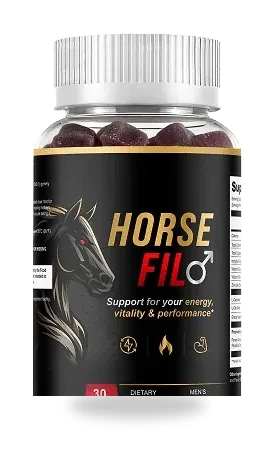
HorseFil is a once-daily men's vitality formula that features Tongkat Ali among its ingredients, and the fair way to evaluate it is exactly the way we would ask you to evaluate any brand: read the panel. On the official store page, look for the Tongkat Ali amount and its standardisation, then hold that against the studied window of 200 to 400 mg of a standardised extract. If it lands inside that range, disclosed rather than buried in a blend, and made under GMP, it is a Tongkat Ali product you can assess on the evidence rather than the artwork. If a detail is missing, that missing detail is your answer — and we would rather you caught it than we smoothed it over. Evidence-first cuts both ways, including toward the product we cover.
Related reading
Questions people ask
How much Tongkat Ali should I take for testosterone?
The amount used across most human trials is 200 to 400 mg per day of a standardised extract, commonly a 100:1 water extract, taken for four to twelve weeks. Higher is not automatically better; the studied range is where the evidence lives. Look for a product that discloses both the milligram amount and the standardisation, since a 100:1 extract at 200 mg is a very different thing from unstandardised root powder at the same weight. Confirm any dose with a healthcare professional first.
How long does Tongkat Ali take to work?
Most trials that reported hormonal or wellbeing changes ran for four to twelve weeks, so this is not an overnight ingredient. Some men notice shifts in energy, mood or stress within the first couple of weeks, but the testosterone-related measures in the research typically needed a month or more of consistent daily use. Treat it as a slow build taken every day, not a pre-workout you feel in an hour, and give any honest trial at least eight weeks.
Is Tongkat Ali safe to take daily?
In the published human studies, standardised Tongkat Ali at 200 to 400 mg daily was generally well tolerated with few serious adverse effects. The most commonly mentioned issues are mild: some people report disrupted sleep or restlessness if taken late in the day, and a slight increase in heart rate. It is not recommended for people who are pregnant, and anyone on medication or managing a health condition should speak to a clinician before starting, as botanicals can interact with drugs.
Tongkat Ali vs Fadogia Agrestis: which is better?
For evidence, Tongkat Ali is the clear pick. It has multiple published human randomised trials and a 2022 meta-analysis behind it. Fadogia Agrestis is popular online but its testosterone reputation rests mainly on animal research, with human safety and dosing largely unstudied and some toxicity concerns raised in animals. If you want an ingredient chosen on human data rather than hype, Tongkat Ali is the more defensible option today.
Where to check this
- NIH Office of Dietary Supplements — Dietary Supplements for Exercise and Athletic Performance
- National Center for Complementary and Integrative Health — Using Dietary Supplements Wisely
- NIH Office of Dietary Supplements — Botanical Dietary Supplements: Background Information
- MedlinePlus — Eurycoma longifolia (Tongkat Ali)
- Mayo Clinic — Testosterone therapy: Potential benefits and risks as you age
These are standing reference resources rather than citations of individual trials. We link to the bodies that maintain the evidence summaries so you can check the current position yourself.
Tongkat Ali is one of the few ingredients in this aisle that rewards reading the label closely. If you already know what you want and are only working out where to buy a Tongkat Ali testosterone formula through an official channel rather than a marketplace listing, visit the official HorseFil store or read our ingredient notes