Buy Testosterone Boost Without Falling Into a Subscription Trap
The formula gets all the scrutiny and the checkout gets none. That is backwards: the page where you enter a card number is where most of the regret in this category is manufactured.
Quick answer
A subscription trap is a checkout that enrols you in recurring billing while you believe you are making a single purchase. If you want to buy testosterone boost products without one, read the small text directly above and below the payment button, look for a pre-ticked box near the order summary, and check whether the page names a frequency such as every 30 days.
- The tell-tale words are recurring, auto-ship, auto-refill, rebill, trial and membership. Any of them next to a payment button means a repeat charge is on the table.
- Screenshot the checkout page before you pay. It is the only record of terms that can be edited after the fact.
- The merchant name on your card statement is often not the brand name, which is why unwanted charges go unnoticed for months.
Men's supplements sit in an unusually aggressive corner of direct-to-consumer selling. The products are bought quietly, often late at night, frequently by someone who would rather not discuss the purchase with anybody. That combination is a merchant's dream and a customer's exposure, because the person least likely to scrutinise a checkout page is also the person least likely to complain afterwards. What follows is the pattern library.
What a negative-option checkout actually is
The industry term is negative-option billing: you are charged again unless you take an action to stop it. Your silence is treated as agreement. In the United States, online negative-option offers are governed by rules that require the terms to be disclosed clearly before payment, the customer to give informed consent to those specific terms, and a simple mechanism to cancel. The format is legal. The execution is where it goes wrong.
Nothing about the mechanism is inherently predatory. A reorder that arrives automatically is convenient for a product you take daily, and plenty of reputable brands run one honestly, with the frequency stated in plain type and a one-click cancellation in the account area. The trap is specifically the version where the recurring term is present but structurally hidden — small type, a collapsed panel, a checkbox already ticked, or a headline offer that is only available on subscription terms disclosed elsewhere.
Before you buy testosterone boost products, read the six lines around the button
Almost every disclosure that matters sits within six lines of the payment button. Trained eyes go there first. Here is what to look for, in the order it usually appears.
- A frequency. "Every 30 days", "monthly", "each shipment". A frequency without a cancellation instruction is the single strongest warning sign on any checkout.
- A second amount. Trap checkouts often show a small figure in the headline and a different, larger figure in the terms text. Two numbers on one page means one of them is the ongoing charge.
- A pre-ticked box. Anything already selected on your behalf was selected for the seller's benefit. Untick it and watch whether the order summary changes.
- A trial period with a date. "14-day trial" means a charge lands on day 15, and the clock usually starts at the order date rather than the delivery date, which quietly eats the shipping time out of your evaluation window.
- A cancellation route. An honest offer tells you how to stop it in the same breath as it enrols you. A phone number that operates limited hours, with no email or account option, is a friction device.
- The merchant descriptor. Occasionally disclosed as "will appear on your statement as…". Write it down. It is what you will search for later.
Prefer a plain one-time order?
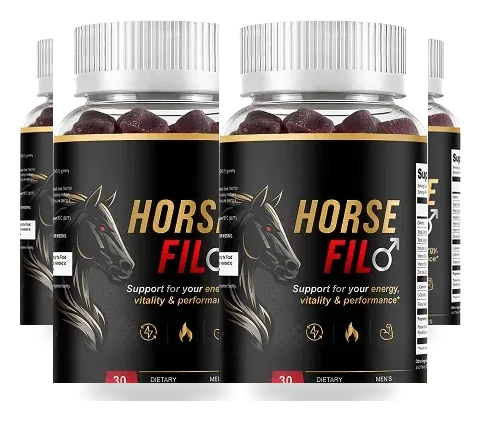
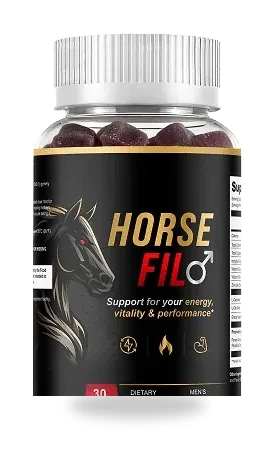
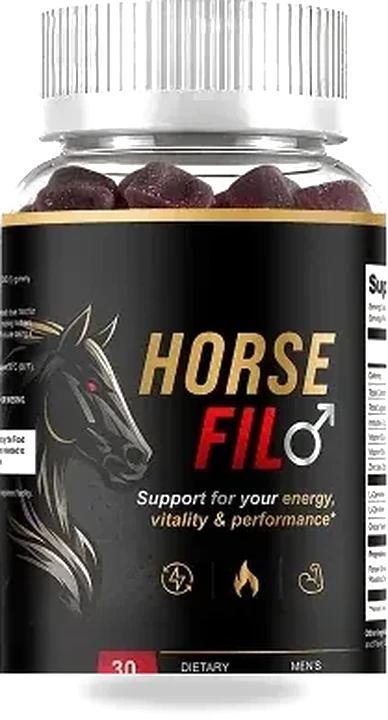
The official store is where the current terms, supply options and guarantee wording are stated. If you have been comparing where to buy testosterone booster style formulas, start with the page that has to publish its own terms rather than a marketplace listing that does not.
See the official storeThe seven patterns, and the countermove for each
These recur across the category with remarkable consistency. Learn them once and the checkout stops being a maze.
| Pattern | How it appears | What it does | Countermove |
|---|---|---|---|
| Pre-ticked auto-ship | A checkbox already selected beside the order summary | Enrols you in recurring shipments by default | Untick it, then confirm the total changed before paying |
| Trial-to-subscription | A short trial framed as risk-free | Converts to full billing on a date measured from the order, not delivery | Diary the conversion date the moment you order |
| Post-purchase upsell | An extra offer page after you click Buy | Adds items with one click, sometimes on separate terms | Treat every page after payment as a new purchase decision |
| Drip pricing | Shipping, handling or processing added at the final step | Raises the total after commitment psychology has done its work | Re-read the total on the confirmation screen, not the product page |
| Mismatched descriptor | Statement shows an unfamiliar company name | Makes the recurring charge hard to identify or search for | Record the descriptor from the confirmation email on day one |
| Cancellation friction | Phone-only cancellation, limited hours, hold queues | Buys additional billing cycles through inconvenience | Cancel in writing by email as well, and keep the timestamp |
| Countdown urgency | A timer or a stock warning beside the offer | Discourages the reading you are doing right now | Reload the page; a timer that resets was never real |
Ninety seconds spent reading the terms above a payment button is worth more than any amount of research into the formula. The ingredients decide whether the product might help. The checkout decides what it will cost you for the next year.
What a money-back guarantee is actually promising
Guarantee wording is the second place where expectations and terms diverge. A satisfaction promise is a contractual offer with conditions, and the conditions are where the value lives. Three of them decide whether the promise is meaningful:
- When the clock starts. A window measured from the order date is materially shorter than the same window measured from delivery, because international shipping can consume a meaningful slice of it.
- Whether opened bottles count. A guarantee that requires unopened product is not a satisfaction guarantee at all, since satisfaction cannot be assessed without opening it.
- Who pays return shipping, and whether an authorisation is required. A return-authorisation step is normal and reasonable, but it must be requested inside the window, and the request — not the parcel — is usually what stops the clock.
The formula this site covers is sold with a stated satisfaction window, and the store's own page is the only authority on its current terms. We do not restate guarantee periods, shipping rules or figures here, because they change and a stale summary on an affiliate site is worse than no summary at all. Our overview of what the store states points you at the source rather than substituting for it.
If a charge has already appeared
A practical sequence, in the order that works best.
| Step | Action | Why this order |
|---|---|---|
| 1 | Identify the descriptor on the statement and search it alongside your email inbox | Finds the original confirmation and the account the charge belongs to |
| 2 | Cancel through the seller's stated route, and again by email | Creates a written, timestamped record even if the stated route is a phone line |
| 3 | Request written confirmation of cancellation and of any refund | Verbal assurances are unusable in a later dispute |
| 4 | Only then contact your card issuer | Issuers ask whether you attempted resolution with the merchant first |
| 5 | Keep everything for at least one further billing cycle | Cancellations occasionally fail to take effect on the first attempt |
One further note for anyone searching for somewhere to buy testosterone booster near me as an alternative: a physical shop removes the recurring-billing risk entirely, at the cost of a narrower selection and, frequently, less information about the formula. That is a genuine trade-off rather than an obvious win. What it does not remove is the need to read the panel, which is covered in our piece on proprietary blends in testosterone boosters.
What this guide cannot do
Some honest boundaries, because a buyer's guide that oversells itself has the same problem as the checkouts it is warning about:
- It is not legal or financial advice. Consumer protection rules differ by country and by state, and card issuers apply their own dispute policies. Treat this as a checklist, not an entitlement.
- It cannot vet a specific merchant for you. Terms change without notice, including on the store we link to. The screenshot you take at checkout is worth more than anything we publish.
- It says nothing about whether a product works. A clean checkout and an effective formula are unrelated variables. Dietary supplements do not diagnose, treat, cure or prevent any disease, and a generous return window is not evidence of benefit.
- It cannot replace a clinician. If the reason you are shopping is a symptom rather than a preference, the useful next step is a conversation and a blood test, which is set out in our piece on verifying a men's supplement seller online.
Questions people ask
How do I tell whether a supplement checkout is a subscription?
Read the text directly above and below the payment button, where recurring terms are normally disclosed. Look for the words recurring, auto-ship, auto-refill, rebill, trial or membership, and check for any pre-ticked box near the order summary. If the page shows a per-shipment amount and a frequency such as every 30 days, it is a subscription regardless of how the headline is worded.
Is a free trial that bills later actually allowed?
A negative-option offer is allowed in the United States only if the terms are disclosed clearly before payment, the customer gives informed consent to them, and a simple cancellation mechanism is provided. Offers that bury those terms or make cancelling hard are the ones regulators pursue. Clear disclosure is the test, not the word free.
What should I keep after placing an order?
Keep the order confirmation email, a screenshot of the checkout page including the terms text, the order number, and the merchant name that appears on your card statement, which is often different from the brand name. Those four items are what a cancellation request or a card dispute is built on.
What does a money-back guarantee actually cover?
Only what the store's own terms say it covers. Check three things before ordering: the number of days and whether the clock starts at purchase or delivery, whether opened bottles qualify, and who pays return shipping. A guarantee with a return-authorisation requirement is fine, but you have to request that authorisation inside the window.
Where to check this
- NIH Office of Dietary Supplements — Dietary Supplements: What You Need to Know
- National Center for Complementary and Integrative Health — Using Dietary Supplements Wisely
- National Center for Complementary and Integrative Health — Dietary and Herbal Supplements
- Harvard T.H. Chan School of Public Health — Vitamins and Minerals
- Mayo Clinic — Supplements: Nutrition in a pill?
These are standing reference resources rather than citations of individual trials. We link to the bodies that maintain the evidence summaries so you can check the current position yourself.
A checkout you have read is a checkout you can live with. If you are ready to order and want the page that publishes its own supply options and terms, visit the official store or see the supply options first