Nitric-Oxide Supplements: What the Pathway Can and Cannot Do
Vasodilation is real physiology, and it is also the most oversold idea in men's supplements. Here is where the science ends and the marketing starts.
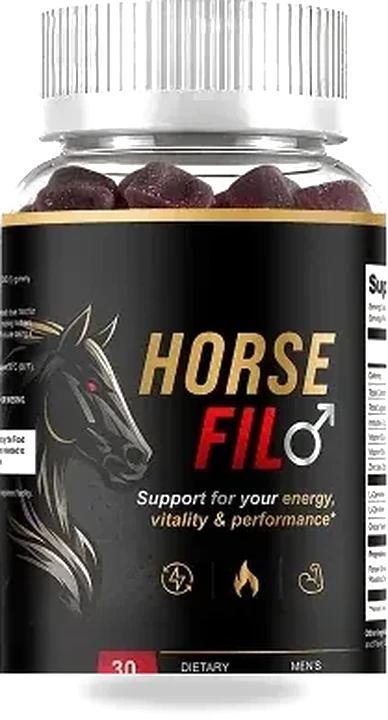
Nitric oxide occupies a strange position in supplement marketing. The underlying science is excellent — genuinely Nobel-winning, textbook, not in dispute. The products built on it are mostly sold with claims the science does not support. Both of those things are true at once, and telling them apart is the whole skill.
What is actually established
Nitric oxide is a gaseous signalling molecule produced in the endothelium, the single-cell lining of your blood vessels. It diffuses into the surrounding smooth muscle and relaxes it. Vessels dilate, peripheral resistance drops, and blood flow to the tissue downstream increases. This is core cardiovascular physiology and it is why endothelial function is such a heavily studied marker of vascular health.
There are two dietary routes into it, and conflating them is the most common error in this category.
- The arginine route. Nitric oxide synthase makes NO from L-arginine. Supplying arginine — most effectively via citrulline, which survives first-pass metabolism where arginine does not — feeds this enzyme.
- The nitrate route. Dietary nitrate from leafy greens and beetroot is reduced to nitrite by oral bacteria and then to nitric oxide, largely independently of the enzyme. It is a separate pathway with its own literature, and it famously depends on the bacteria on your tongue — antibacterial mouthwash can blunt it.
A product that supplies citrulline is not doing the same thing as a beetroot shot, and evidence for one is not evidence for the other.
Where the marketing outruns the evidence
Three claims recur and deserve scepticism.
"Increases blood flow." A supplement label legally cannot claim to change a physiological parameter, which is why careful ones say "supports healthy blood flow already within a normal range". That phrasing is not weasel wording forced on an effective product; it is an accurate description of what a nutritional intervention can offer a healthy person. Read it literally.
"Clinically proven pump." Acute vasodilation studies typically use gram-scale doses in controlled conditions, and the endpoints are often short-term performance measures with modest effect sizes. That is a long way from a claim about your Tuesday session.
Implied treatment of erectile dysfunction. This is the one that matters. Nitric oxide is central to erectile physiology, which is exactly why the implication is so tempting and so irresponsible. ED is frequently an early marker of systemic vascular disease or diabetes. Treating it with a supplement means not investigating it, and that is a genuinely bad outcome. Supplements are not intended to diagnose, treat, cure or prevent any disease, and this one deserves a clinician.
The dose question nobody can answer for you
Because effect here scales with dose, a label that does not publish amounts cannot be assessed. This is not a niche complaint — it is common across the category, and it applies to the product this site covers, which names six ingredients and publishes an amount for none of them. The consequence is simple and worth stating: no honest reviewer can tell you whether such a product delivers a meaningful citrulline dose. Anyone who does has either seen a panel they are not showing you, or is guessing.
What you can do is read the physical Supplement Facts panel when the bottle arrives, compare the figure to the doses used in the research you care about, and use the return window if the numbers do not stack up.
Interactions: the section to actually act on
If any of the following apply, ask a pharmacist before starting a nitric-oxide product:
- You take nitrates for angina. Combining nitrate medication with agents acting on the same pathway is a recognised concern.
- You take blood-pressure medication. Additive vasodilation is plausible.
- You take a PDE5 inhibitor. Same pathway, downstream.
- The product also contains panax ginseng, which has documented interactions with anticoagulants such as warfarin and can affect blood glucose.
The unglamorous conclusion
Endothelial function responds far more to aerobic exercise, not smoking, sleep, and a diet with actual vegetables in it than to any precursor you can swallow. A citrulline supplement is a small lever on top of those, most plausibly useful around training, and worth exactly as much confidence as the dose on its panel justifies. That is an unexciting conclusion, and it is the accurate one.
Where to check this
- NIH Office of Dietary Supplements — Dietary Supplements for Exercise and Athletic Performance (ods.od.nih.gov)
- MedlinePlus, U.S. National Library of Medicine — L-arginine and L-citrulline entries (medlineplus.gov)
- National Center for Complementary and Integrative Health — Grape Seed Extract (nccih.nih.gov)
These are standing reference resources rather than citations of individual trials. We link you to the bodies that maintain the evidence summaries so you can check the current position yourself, rather than to a snapshot that ages.